News
Wind is Keeping West Texas Ranches Solvent
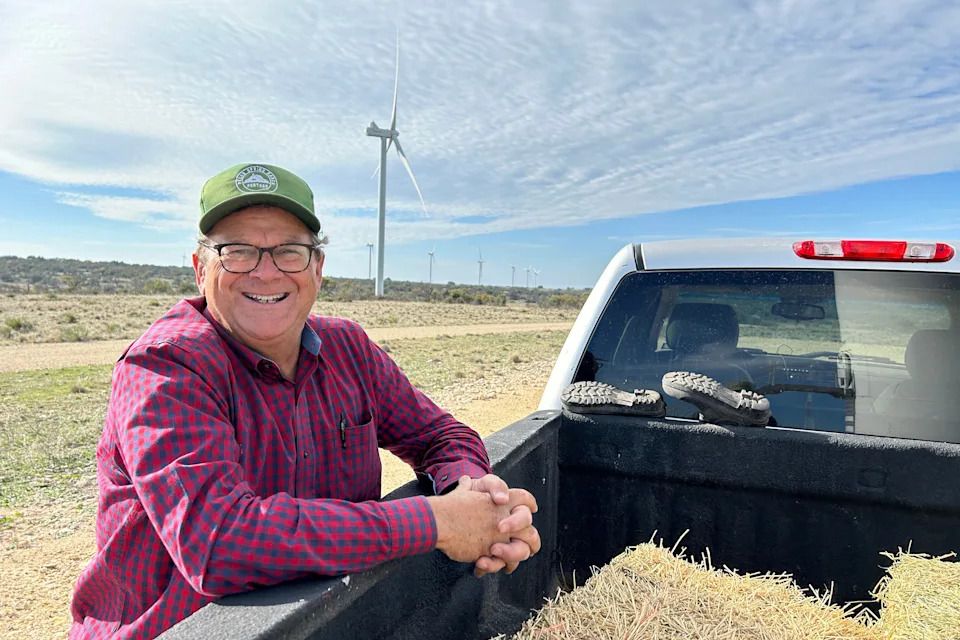
On this week’s Energy Capital Podcast, Joshua Rhodes talks with John E. Davis, a fifth-generation rancher and former Texas state representative who chaired the House Economic and Small Business Development Committee.
They talk about the seven turbines Davis hosts from the Cactus Flats project in Concho County. Davis, a conservative Republican, argues that a landowner’s right to host wind or solar is the conservative position, and the politics of renewables have drifted from the economics that drive rural Texas.
They talk about the seven turbines Davis hosts from the Cactus Flats project in Concho County. Davis, a conservative Republican, argues that a landowner’s right to host wind or solar is the conservative position, and the politics of renewables have drifted from the economics that drive rural Texas.
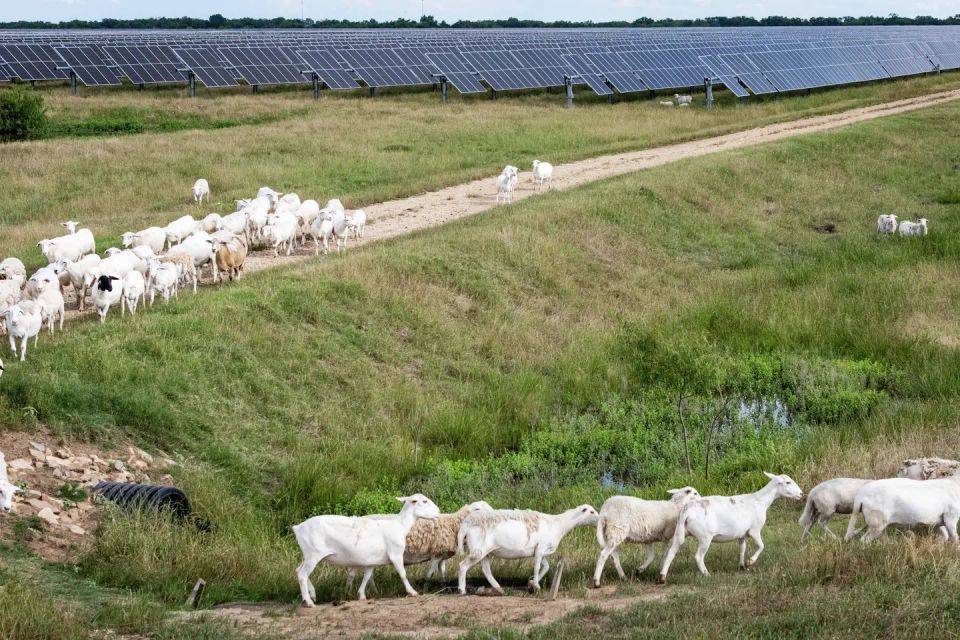
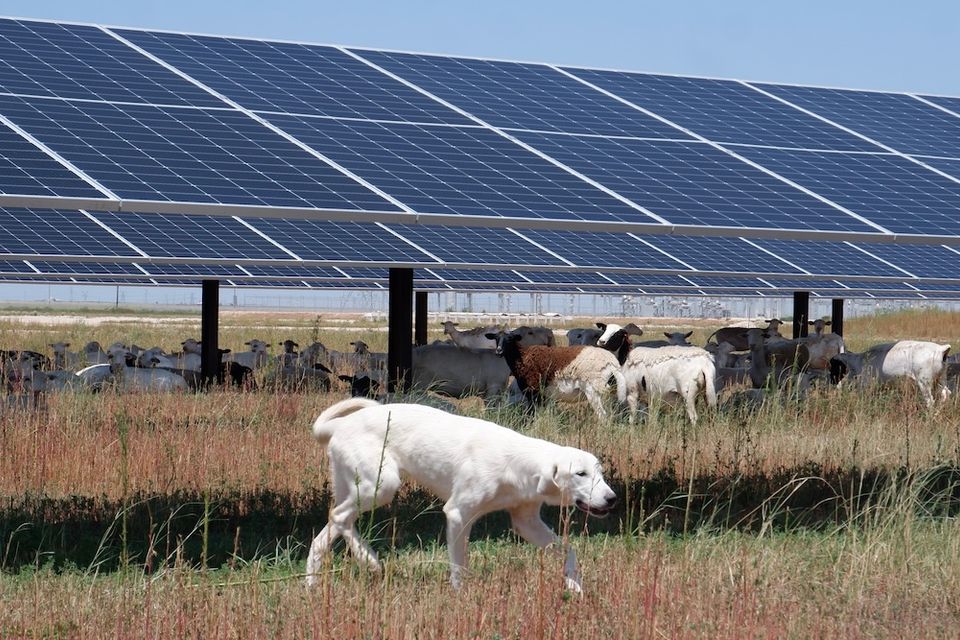
As Texas continues to add utility-scale solar projects, ranchers and farmers are finding ways to keep land in agricultural production while also benefiting from renewable energy development. Solar grazing is one example: sheep graze on the land beneath and around solar panels, providing vegetation management for solar projects while giving ranchers a new source of income. Texas has become the nation’s largest solar-grazing market, with sheep grazing on tens of thousands of acres across the state.
Solar grazing can create benefits for both agriculture and the energy industry. Ranchers can earn additional income without giving up agricultural use of their land, while solar companies can reduce the need for mowing and other mechanical vegetation management. The practice also demonstrates how thoughtfully designed solar projects can support working lands. As agrivoltaics expands, farmers, ranchers, and solar developers are exploring even more ways to combine energy production with agriculture.
Solar grazing can create benefits for both agriculture and the energy industry. Ranchers can earn additional income without giving up agricultural use of their land, while solar companies can reduce the need for mowing and other mechanical vegetation management. The practice also demonstrates how thoughtfully designed solar projects can support working lands. As agrivoltaics expands, farmers, ranchers, and solar developers are exploring even more ways to combine energy production with agriculture.
Solar Power Plant Brings $100M in New Tax Revenue to Swisher County
The 600-megawatt Hornet solar power plant added more than $5 million in new tax revenue to Swisher County during its first year in operation, towards a total of $100 million to be fulfilled over the next 40 years.
The developer, Vesper Energy, broke down the first-year revenue numbers:
-Over $2.6M to the Tulia Independent School District
-Over $1.3M through the Swisher County Tax Assessor
-Over $600,000 to Swisher County through a Payment in Lieu of Taxes (PILOT) agreement
-Over $300,000 to the Swisher County Memorial Hospital District
Vesper Energy has also contributed over $31,000 to local nonprofits, community programs, and first responders. One highlight of the giving program was a a $4,000 donation to the Tulia Volunteer Fire Department.
The developer, Vesper Energy, broke down the first-year revenue numbers:
-Over $2.6M to the Tulia Independent School District
-Over $1.3M through the Swisher County Tax Assessor
-Over $600,000 to Swisher County through a Payment in Lieu of Taxes (PILOT) agreement
-Over $300,000 to the Swisher County Memorial Hospital District
Vesper Energy has also contributed over $31,000 to local nonprofits, community programs, and first responders. One highlight of the giving program was a a $4,000 donation to the Tulia Volunteer Fire Department.
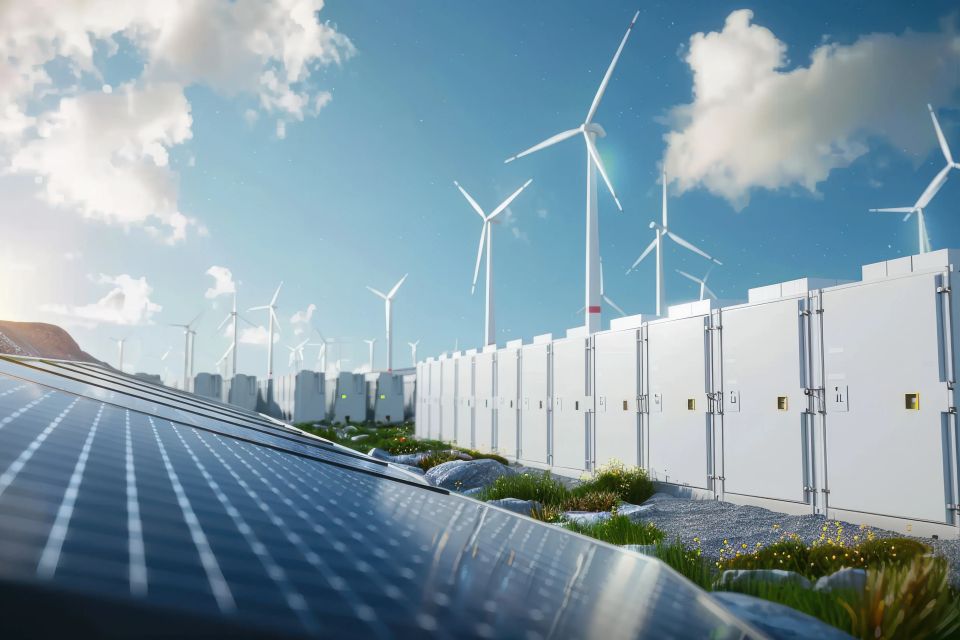
CEBA Analysis Shows Restrictions on New Solar and Wind Resources Increase U.S. Energy Prices
A new analysis from the Corporate Energy Buyers Association (CEBA) puts a price tag on government restricting new solar and wind power development. These restrictions will add $121.2 billion in additional electricity and natural gas costs for American consumers between 2027 and 2033.
Texans would bear the heaviest burden, with households on the ERCOT grid facing a projected 22.2% increase in average electricity costs. When every technology is allowed to compete on a level playing field, consumers win. When government picks winners and blocks competitors, families and businesses pay the bill. Markets, not mandates, deliver affordable and reliable power.
Texans would bear the heaviest burden, with households on the ERCOT grid facing a projected 22.2% increase in average electricity costs. When every technology is allowed to compete on a level playing field, consumers win. When government picks winners and blocks competitors, families and businesses pay the bill. Markets, not mandates, deliver affordable and reliable power.
How Agrivoltaics and Solar Grazing Are Creating New Opportunities for Texas Farmers
Texas now leads the nation in utility-scale solar capacity. Solar energy generation in Texas has quadrupled between 2021 and 2025. At the same time, the threats to farmland due to housing and urban encroachment are accelerating. Texas working-land prices surged more than 500% between 1997 and 2022, with most of that increase happening since 2017. Beginning farmers and ranchers face the steepest land-access barriers in a generation, reducing producers’ ability to expand their operations and aspiring farmers or ranchers to enter the sector. These pressures are compounded by the aging agricultural producer base in Texas, where the average age in 2022 was nearly 60 years old.
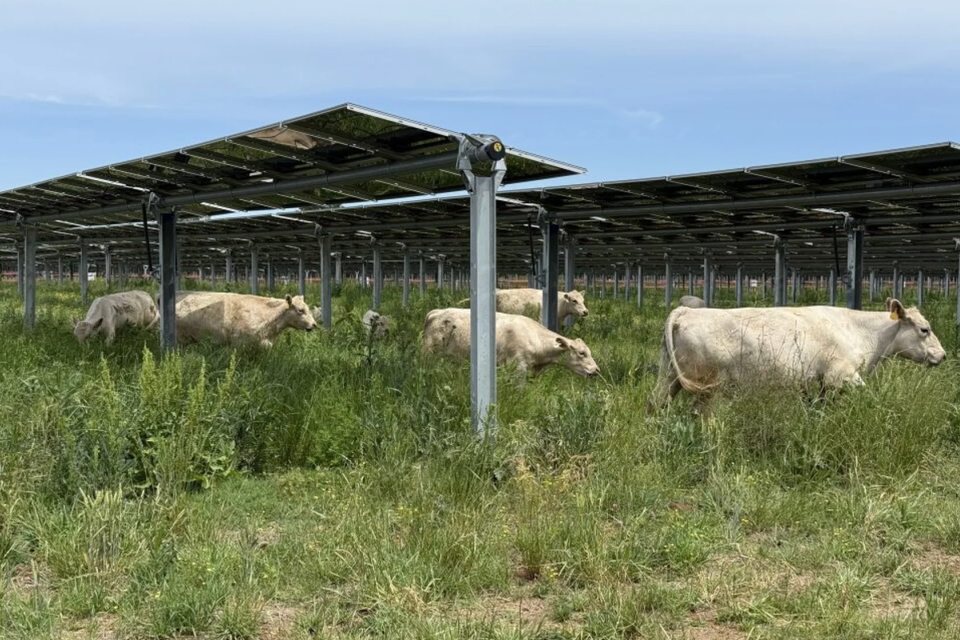
While solar development and agriculture are often seen as competing for the same acres, compelling opportunities are emerging in which agriculture is designed into solar projects from the start rather than treated as an afterthought, creating an opportunity for win-win solutions. Agrivoltaics, the intentional integration of solar energy and agricultural production on the same land, offers a solution that American Farmland Trust is working to advance.
While solar development and agriculture are often seen as competing for the same acres, compelling opportunities are emerging in which agriculture is designed into solar projects from the start rather than treated as an afterthought, creating an opportunity for win-win solutions. Agrivoltaics, the intentional integration of solar energy and agricultural production on the same land, offers a solution that American Farmland Trust is working to advance.
Renewable Energy is a 'Second Opportunity' for Some Rural Texans
In Texas, some farmers and ranchers are finding that partnerships with renewable energy projects can provide a stable, reliable source of income amid the uncertainty of agriculture.
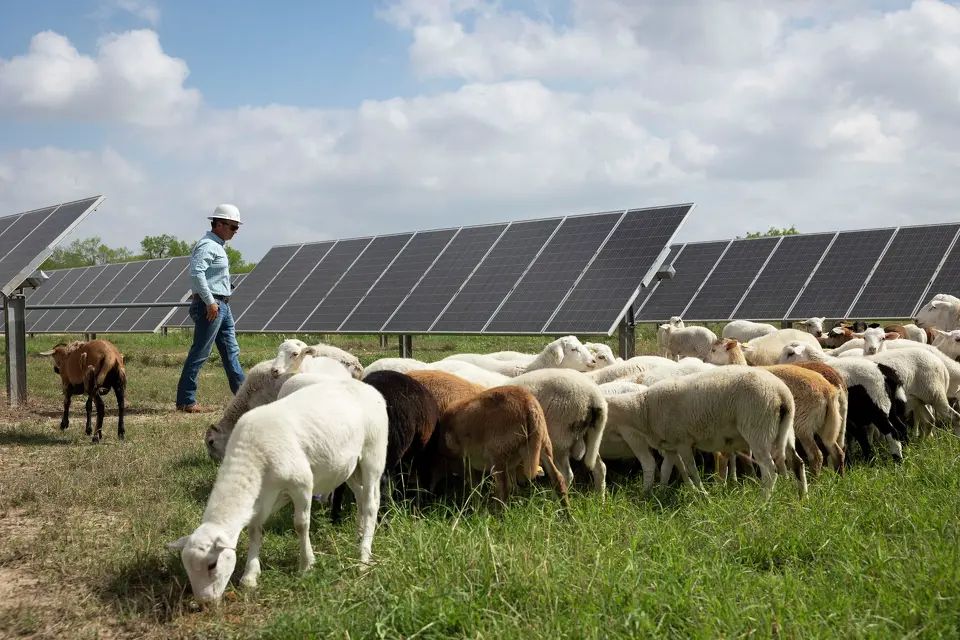
For San Antonio rancher Ely Valdez, grazing sheep on solar sites helped grow his operation from a small flock to a multi-state business, while offering other producers a way to maintain their herds during drought and market downturns.
West Texas energy rancher and goat herder John Davis estimates wind energy provides about 40% of his income -- money he can reinvest into his farm -- and allows him to keep the land in his family.
For San Antonio rancher Ely Valdez, grazing sheep on solar sites helped grow his operation from a small flock to a multi-state business, while offering other producers a way to maintain their herds during drought and market downturns.
West Texas energy rancher and goat herder John Davis estimates wind energy provides about 40% of his income -- money he can reinvest into his farm -- and allows him to keep the land in his family.
In Rural West Texas, Renewable Energy Brings a Windfall for Seniors
In Crockett County, revenue and charitable contributions from wind companies are helping fund essential services for older residents, including daily meals, transportation support, and community programming that allow seniors to age in place.
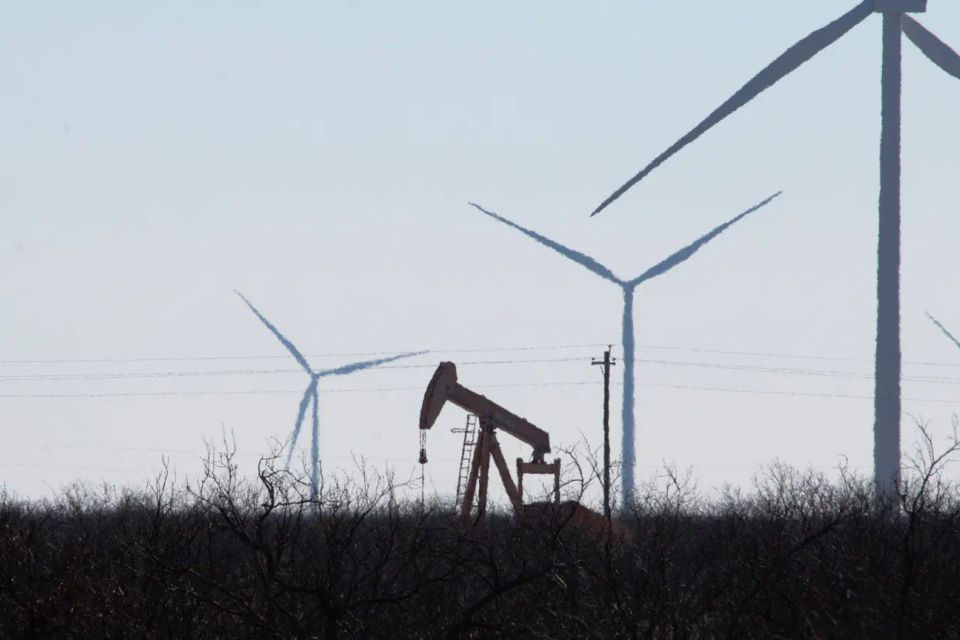
Local leaders say wind energy has become an important economic resource for the rural county, supplementing traditional oil and gas revenues and providing more stable funding for community services. Wind-related investments have helped sustain programs like the Helping Hands meal delivery service and the Crockett County Senior Center.
These local contributions have become even more important as federal support for senior programs has declined.
Local leaders say wind energy has become an important economic resource for the rural county, supplementing traditional oil and gas revenues and providing more stable funding for community services. Wind-related investments have helped sustain programs like the Helping Hands meal delivery service and the Crockett County Senior Center.
These local contributions have become even more important as federal support for senior programs has declined.
As Texas Power Demand Surges, Solar, Wind and Storage Carry the Load
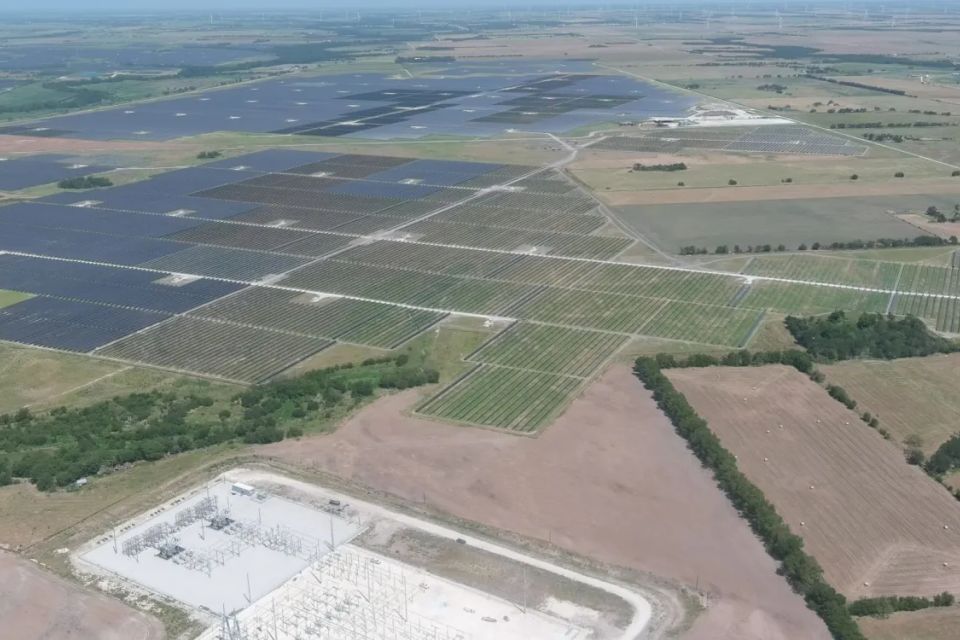
Electricity demand is surging in Texas, and solar, wind, and battery storage are meeting it.
According to new data from the US Energy Information Administration (EIA), electricity demand across the Texas grid managed by the Electric Reliability Council of Texas (ERCOT) hit record highs in the first nine months of 2025. ERCOT, which supplies power to about 90% of the state, saw demand jump 5% year-over-year to 372 terawatt hours (TWh) – a 23% increase since 2021. No other major US grid has grown faster over the past year.
According to new data from the US Energy Information Administration (EIA), electricity demand across the Texas grid managed by the Electric Reliability Council of Texas (ERCOT) hit record highs in the first nine months of 2025. ERCOT, which supplies power to about 90% of the state, saw demand jump 5% year-over-year to 372 terawatt hours (TWh) – a 23% increase since 2021. No other major US grid has grown faster over the past year.
Solar Farm Near Eddy Set to Provide Big Boost to Local Economy
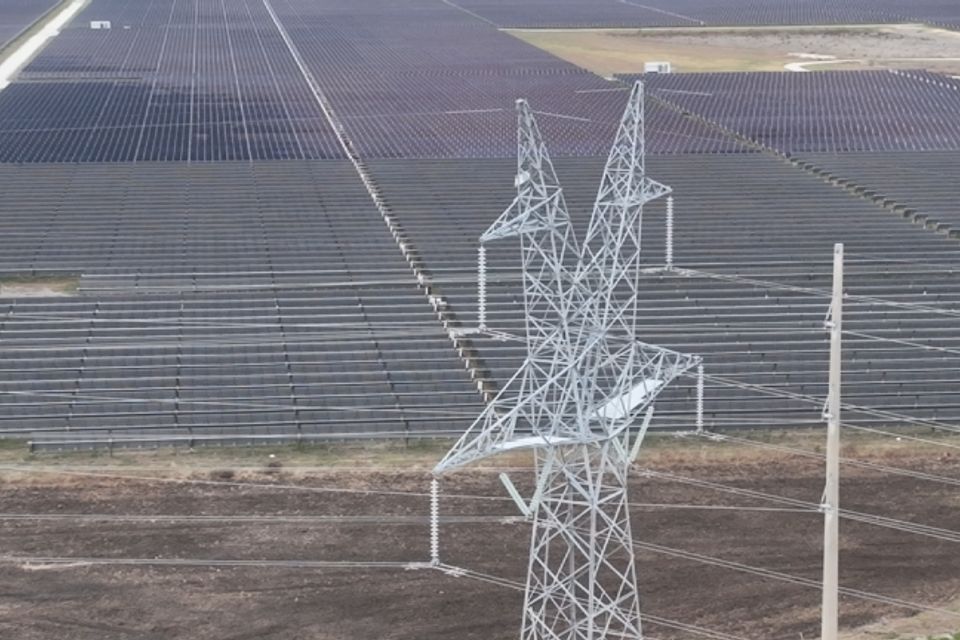
The 2,000-acre solar farm, owned and operated by Geronimo Power, is set to pour around $33 million in taxes back into the community. On top of that, a majority of the land is leased out by the company, putting more money into the pockets of people in the community. Andy Cukurs is the COO at Geronimo and says that the company puts an emphasis on feeding back into the community.
Farm Lenders Confirm Renewable Energy Income is Keeping Operations Afloat
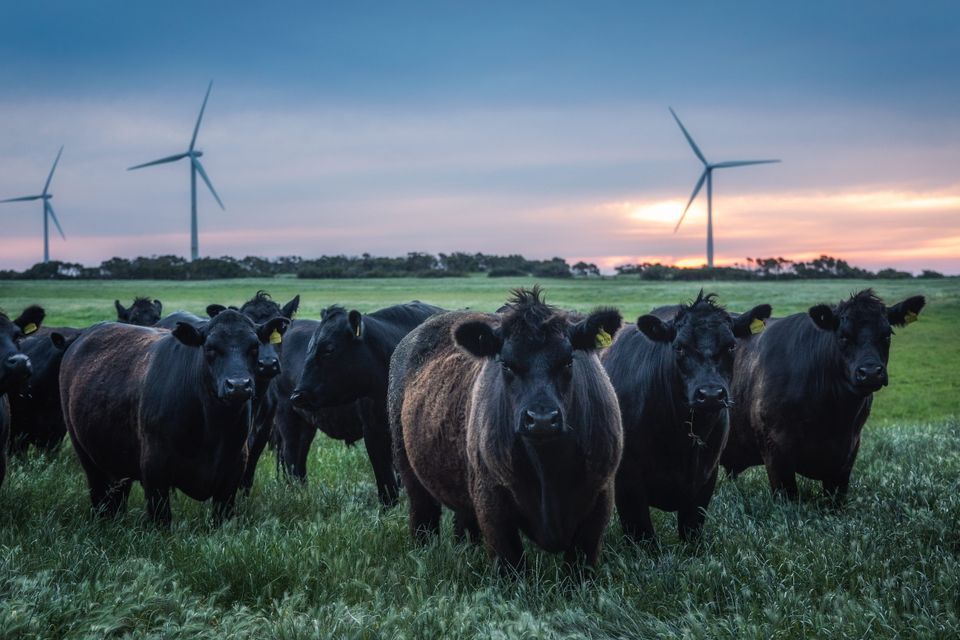
Agricultural lenders surveyed in the mid-year 2025 ABA/Farmer Mac Agricultural Lender Survey expect only about 52% of U.S. farm borrowers that report to turn a profit this year. That is the lowest level since 2016. This reflects tighter margins and the financial stress across major crop regions.
Nearly 93% of lenders anticipate an increase in farm debt, mirroring past downturns when producers relied on loans to manage operations. Supplemental income from sources like wind or solar leases, CRP payments and government support remains critical. Over half of lenders cite these revenues as key to maintaining cash flow.
Nearly 93% of lenders anticipate an increase in farm debt, mirroring past downturns when producers relied on loans to manage operations. Supplemental income from sources like wind or solar leases, CRP payments and government support remains critical. Over half of lenders cite these revenues as key to maintaining cash flow.